
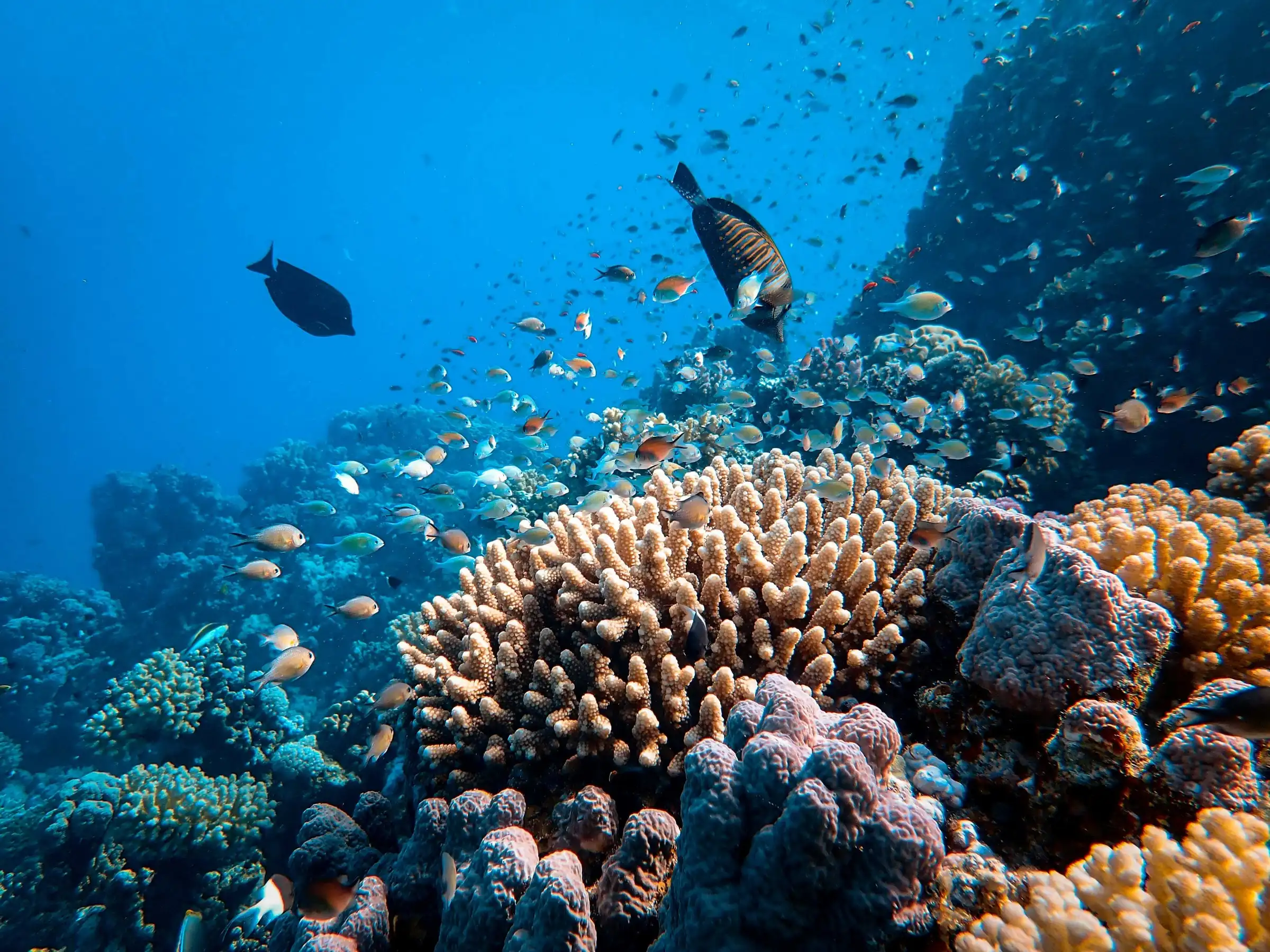
Every dive can count for the ocean.
DiveHive gives 1% of its net revenue to conservation partners, will publish a yearly report of what it gave, and turns the sightings and ocean data divers log into research.
How a dive becomes ocean impact
It all starts with a habit divers already have: logging what they see. Here is where that goes, step by step.
Every logged dive adds to what we know
Sightings, conditions and conservation logs from dives become open species and ocean data. Divers share only with their consent, and only as anonymised data.
- Consent comes first. Each diver chooses, programme by programme, and can withdraw at any time.
- Data, not people. Only anonymised results leave DiveHive, never a diver’s name or personal details.
1% of net revenue, every year
DiveHive pays 1% of its net revenue to conservation partners on the platform once a year, split by programme activity.
- Net means after fees and tax. Payment fees and taxes come off first, so the 1% is worked out on what DiveHive actually keeps.
- Split by what partners do. Programmes that run more activity on DiveHive receive a larger part of the share.
Conservation partners and their programmes
Conservation groups, marine park managers and research teams use DiveHive free of charge. No partner is named here until an agreement is signed.
- Programmes with a purpose. A partner sets up a programme, such as reef surveys or debris counts, and divers decide whether to join.
- A dashboard of their own. Partners see programme totals and how many shops and divers take part, and can export the data.
Cleanups and activities, for divers and non-divers
Partners and dive shops run cleanups, reef surveys, planting days and talks, some in the water and some on land.
- Everyone can help. People on land and snorkellers join with a light account. Divers need the certification the activity asks for.
- A way into the water. After a land activity, a non-diver can opt in to hear about a try dive or a course.
Responsible diving, shown on the profile
A diver’s profile shows how far they have come on three steps: pledged, learned, active.
- Pledged. The diver has taken the responsible diving pledge.
- Learned. The diver has finished at least one short lesson from a conservation partner.
- Active. The diver has joined a conservation activity or made a conservation dive in the last twelve months.
Shops with a verified eco credential pay less
When a conservation partner confirms a shop’s credential, the shop gets 10% off its DiveHive plan for as long as the credential is valid.
- Confirmed by the partner. The organisation that issued the credential verifies it in DiveHive and can revoke it.
- Only while it is valid. If the credential expires or is revoked, the discount ends.
A public impact report every year
After the first full year, DiveHive publishes a report on what it paid, to whom, and what the programmes did with it.
- Open to everyone. Anyone can read it, with no sign-in.
- Only what was recorded. Amounts and activity totals come from the platform’s own records.
Further reading
Books that shaped how people see and protect the ocean.
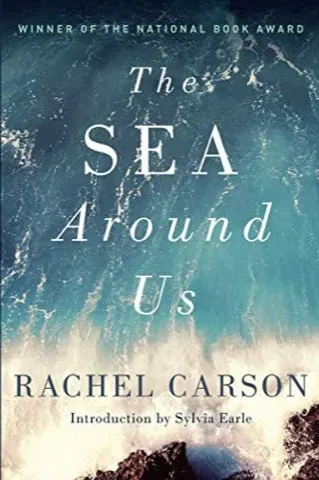
The Sea Around Us
The classic that made a generation care about the ocean; National Book Award winner, translated into 28 languages.
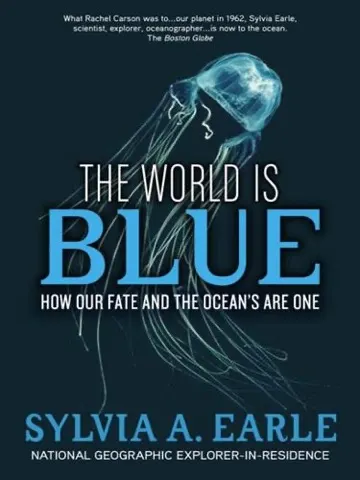
The World Is Blue: How Our Fate and the Ocean’s Are One
The ocean’s beauty, its threats and what each of us can do, from the oceanographer and National Geographic Explorer in Residence.
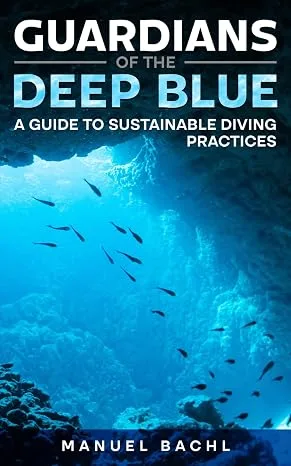
Guardians of the Deep Blue: A Guide to Sustainable Diving Practices
A diver’s guide to protecting reefs: eco-friendly operators, reef-safe habits, citizen science and marine protected areas.
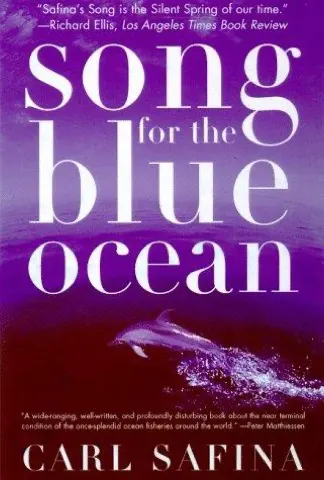
Song for the Blue Ocean
Reporting from coasts and reefs on overfishing and what it does to ocean life; Lannan Literary Award for non-fiction.
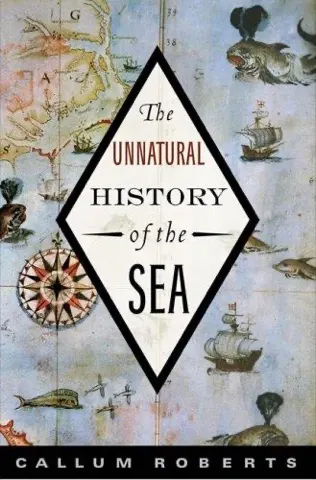
The Unnatural History of the Sea
A marine conservationist on how much the sea has already lost and how it can recover; Rachel Carson Environment Book Award.
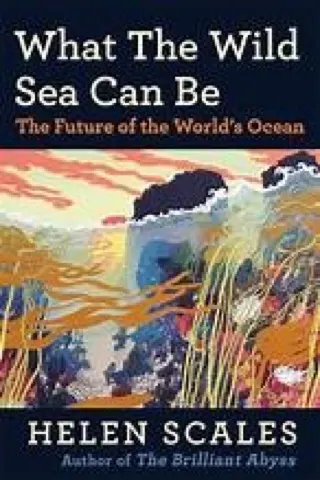
What the Wild Sea Can Be: The Future of the World’s Ocean
The hopeful one: what a recovered ocean could look like; shortlisted for the Women’s Prize for Non-Fiction.
Start with a dive, or bring your organisation
Divers log and join in. Conservation organisations run programmes and receive the share.